


N-X LAB
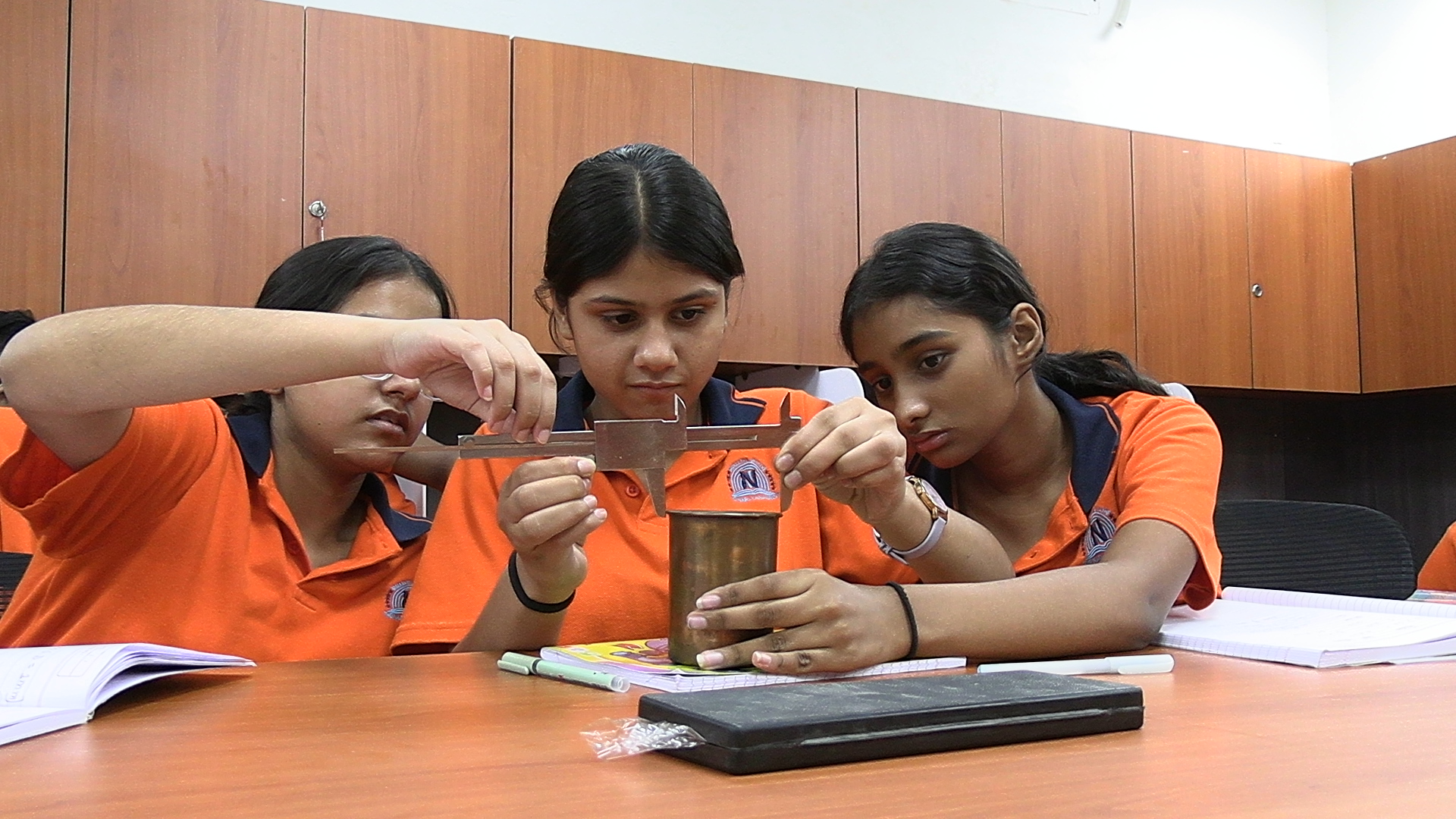
The principle of “learning by doing” holds immense significance in science education. In this context, conducting experiments to construct concepts and verify their validity is of great utility. To this end, science textbooks suggest a variety of activities, experiments, and projects. Often, in the classroom setting, only a handful of experiments actually get conducted in the name of practical work (and even in these instances, the majority are merely demonstrations, leaving students with limited opportunities to perform the experiments themselves).
In other cases, students may read about a concept, but its practical dimension remains unexplored. Consequently, students are deprived of opportunities to engage in observation, reasoning, and analysis. There could be numerous reasons for the failure to conduct experiments—including the unavailability of materials, the fear that students might damage the equipment, or a lack of knowledge regarding suitable substitutes for required materials. However, a crucial factor is that, at times, we—as science teachers—find ourselves ill-prepared to facilitate experiments because we lack a detailed, analytical understanding of the specific experiments outlined in the curriculum. This entire process not only diminishes the importance of experimentation in science education but also hinders students’ ability to draw conclusions from observations and impedes their engagement with the scientific process of learning.
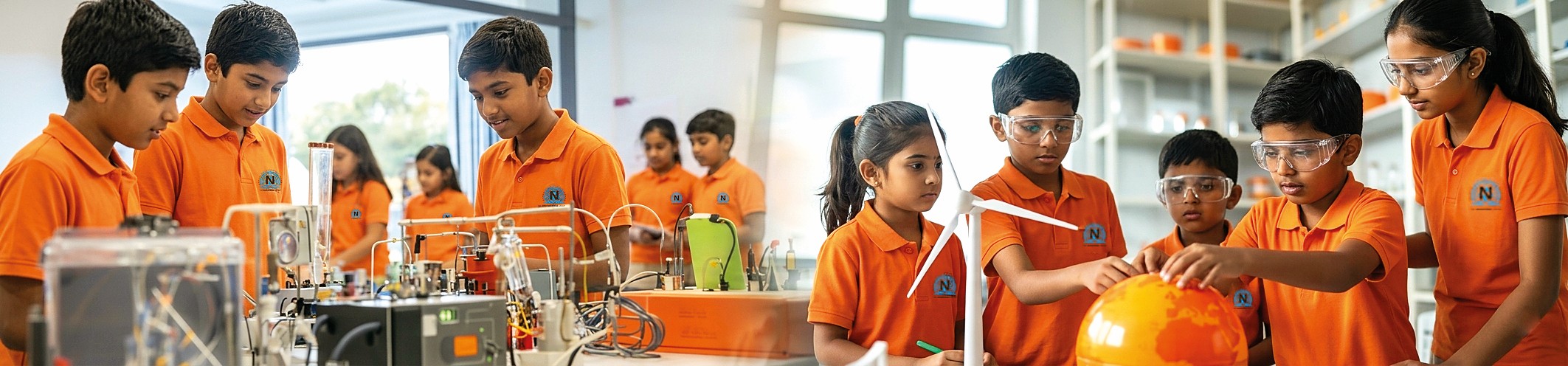
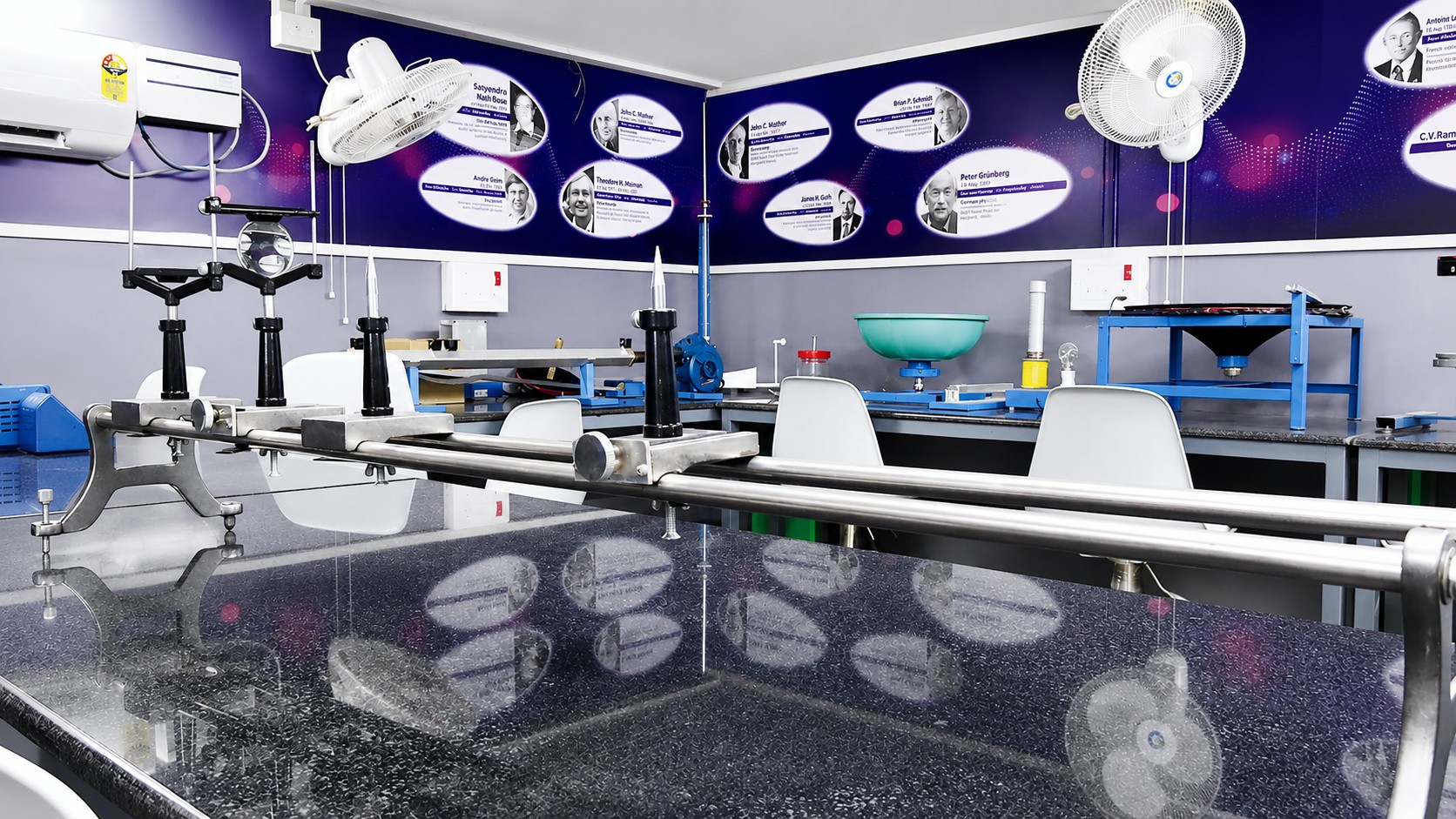
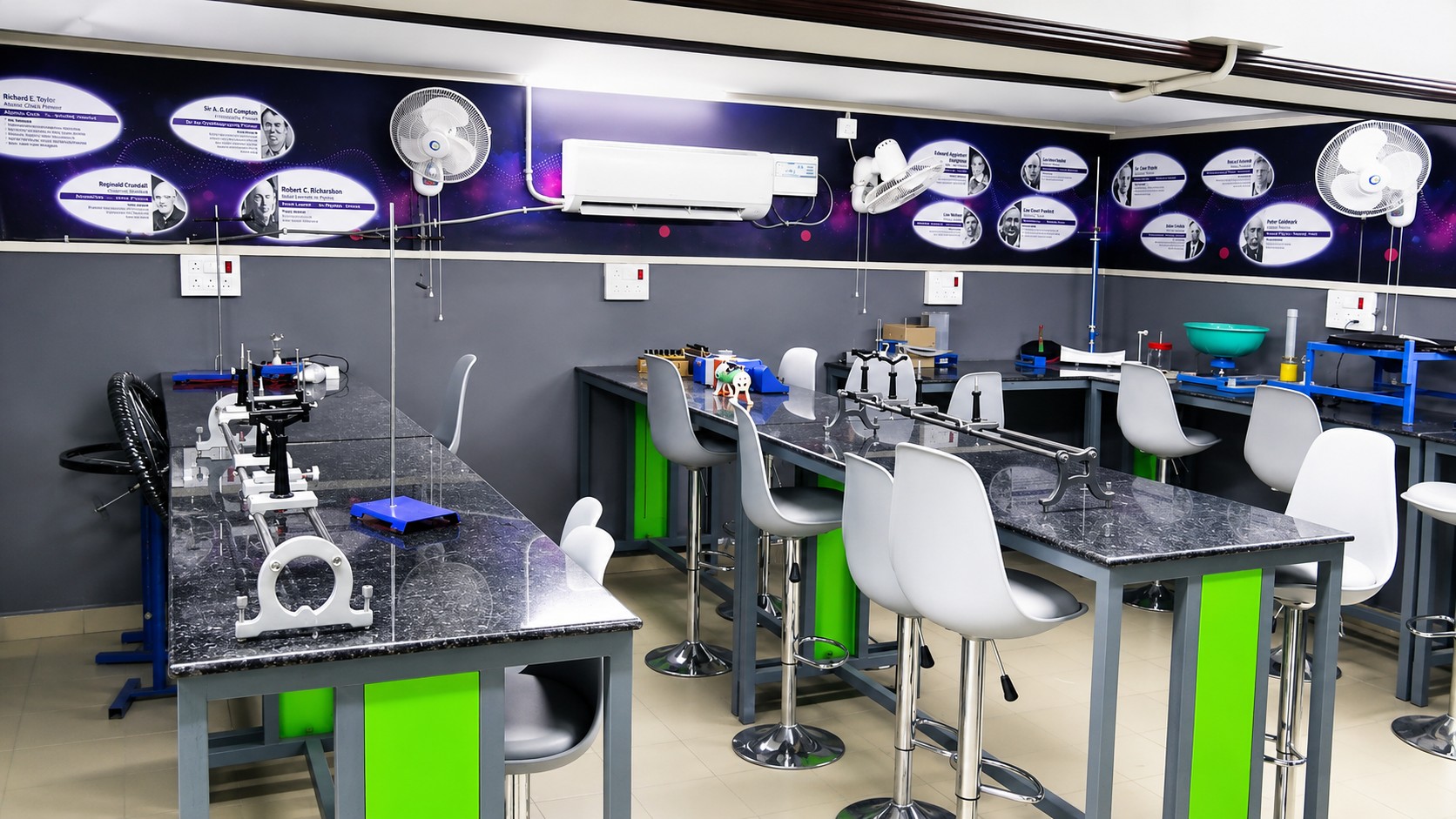
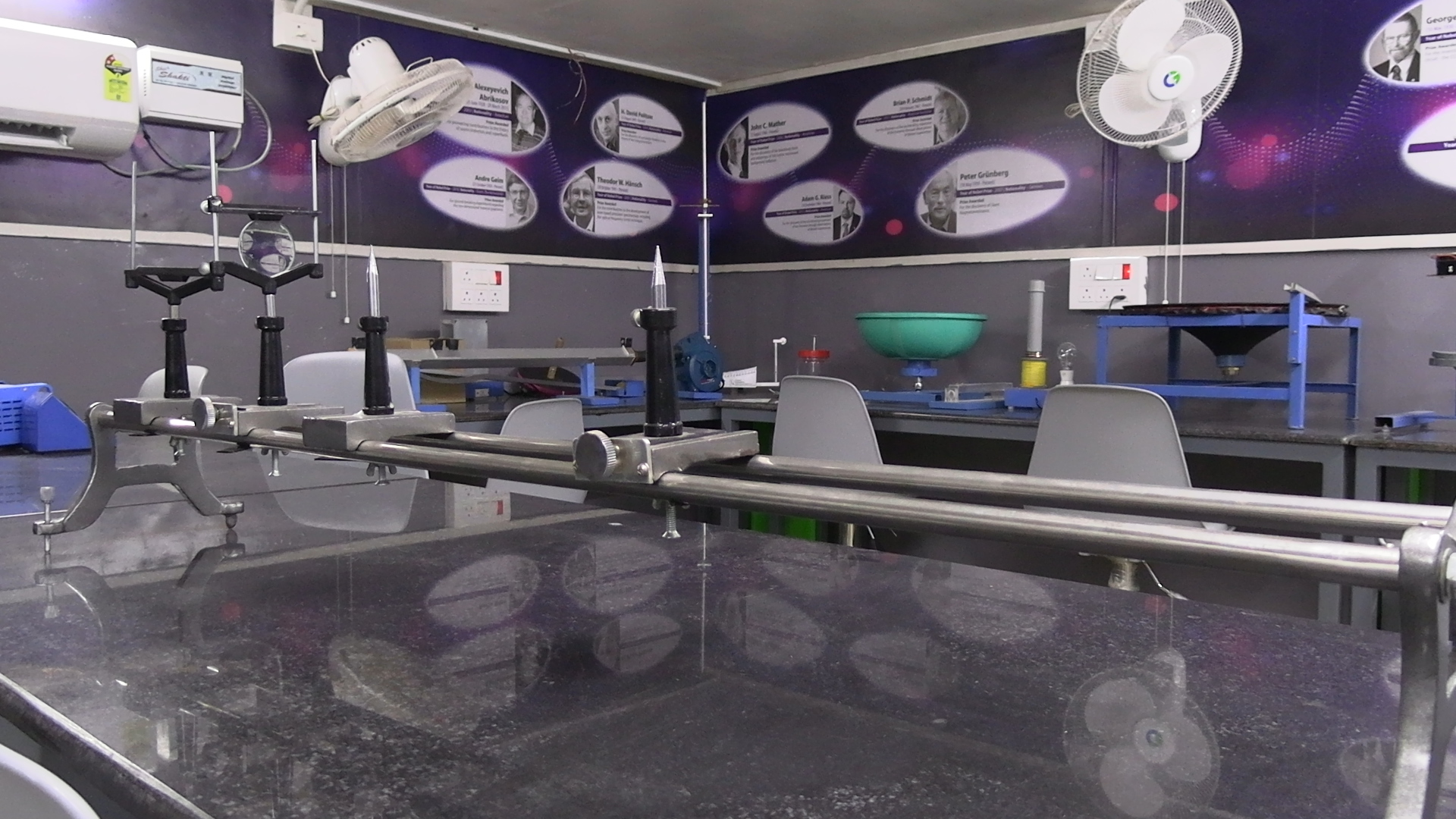
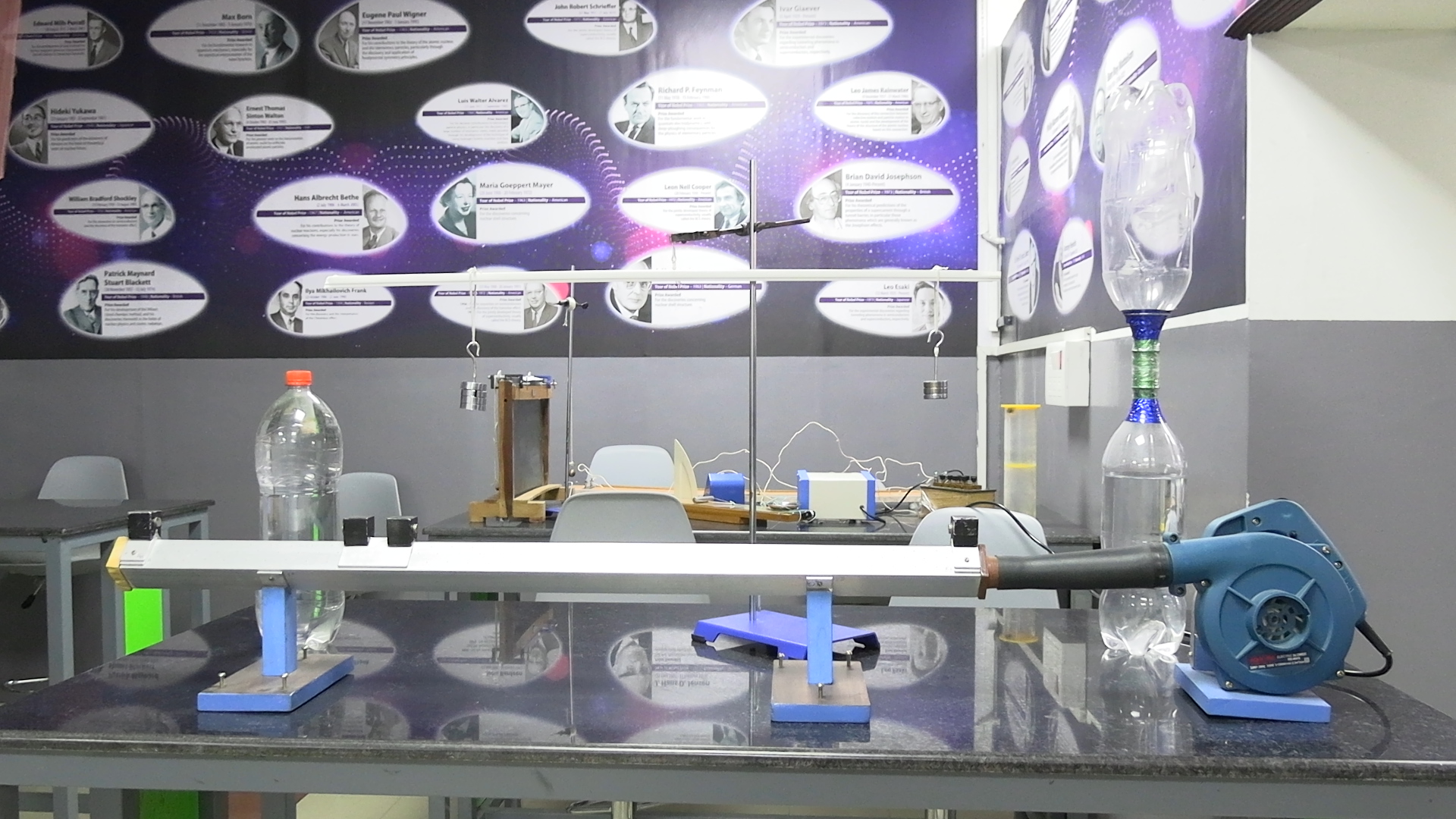
In light of this, N X Lab proposes high intensity hands on doing experimental workshops of duration 1/3/5 days for the physics students of various grades (6-12) and B.Sc. Physics. This is an innovative initiative with focus on practical and effective pedagogical approaches while keeping the nature and processes of science at the forefront of the discourse.
NEP 2020 Goals Supported by N-X Lab
Experiential and Inquiry-Based Learning
N-X Lab facilitate play, discovery, and hands-on experiments, shifting from passive absorption to active exploration as outlined in NEP 2020’s foundational and preparatory stages. They promote inquiry-based methods where students ask questions, investigate, and draw evidence-based conclusions, fostering creativity and problem-solving.
Critical Thinking and Scientific Temper
N-X Lab cultivate critical thinking, logical reasoning, and a spirit of inquiry, key NEP aims for 21st-century skills and innovation. Through practical demonstrations and project-based learning like field trips, students develop analytical skills essential for addressing real-world issues
Multidisciplinary and Holistic Integration
NEP 2020 eliminates rigid subject separations, and labs enable interdisciplinary connections by combining science with technology, math, and arts in STEM setups. This supports holistic development, including ethical and emotional capacities alongside cognitive growth.
Importance of Physics Experiments
- Problem-solving: Students identify issues, test hypotheses, and find solutions through trial and error
- Critical thinking: Analyzing data, evaluating results, and drawing evidence-based conclusions sharpens logical reasoning
- Observation: Noticing details, patterns, and changes during experiments hones attention to subtle phenomena
- Resilience: Learning from failures encourages perseverance and a growth mindset when experiments don't work initially
- Creativity: Designing experiments and devising unique approaches fosters innovative thinking.
- Communication: Explaining methods, results, and ideas to peers improves verbal and written expression.
- Collaboration: Working in teams during group experiments builds teamwork and shared idea exchange
- Scientific method application: Formulating hypotheses, controlling variables, and interpreting outcomes teaches structured inquiry.
- Precision and safety: Handling equipment accurately and following protocols develops fine motor skills and responsibility
- Curiosity and inquiry: Questioning "why" and "how" sparks lifelong exploration and active knowledge-seeking
Role of Experiments
- First and foremost, to gain a better understanding of certain observations, we must resort to experimentation
- Often, in order to comprehend a specific phenomenon, we conduct experiments related to it.
- It also happens that certain events occur simultaneously, and experiments are required to uncover the interrelationships between them. In the quest to understand nature, whenever a new theory emerges, we must examine precisely what that theory asserts regarding the natural world
- Experiments are also conducted to verify the claims put forth by various theories.
- In the course of experimentation, we require specialized instruments to obtain the most precise and accurate observations possible; experiments are, in turn, conducted for the very purpose of developing these instruments. We often possess a significant amount of prior knowledge regarding the subjects of our experiments. Experiments are also undertaken to acquire such information concerning various substances, objects, and similar entities
- An experiment is a deliberate construct, designed in such a way that we can observe a natural phenomenon under controlled conditions—manipulating the circumstances at will—and thereby subject it to scrutiny.
Physics is the most of basic of sciences. It seeks to understand natural phenomena in a quantitative manner, and to answer some of the oldest and deepest questions ever asked by human beings: What are things made of? Is there a limit to the smallest things that we can think of? Did the world have a beginning? Will it have an end? At the same time, it provides the base of much of the technology that we take for granted in the 21st century: computers, artificial satellites, mobile phones, TV, microwave ovens… Indeed, it will not be an exaggeration to say that modern human life is shaped by technologies that are largely based on a foundation of physics. Since the discipline of physics has existed for three hundred years, its core‟ body of knowledge is larger than that of many other branches of learning”. Here is an attempt to fix the knowledge into 13 clusters.
Experiments of Cluster
- Basic Measurements (BM)
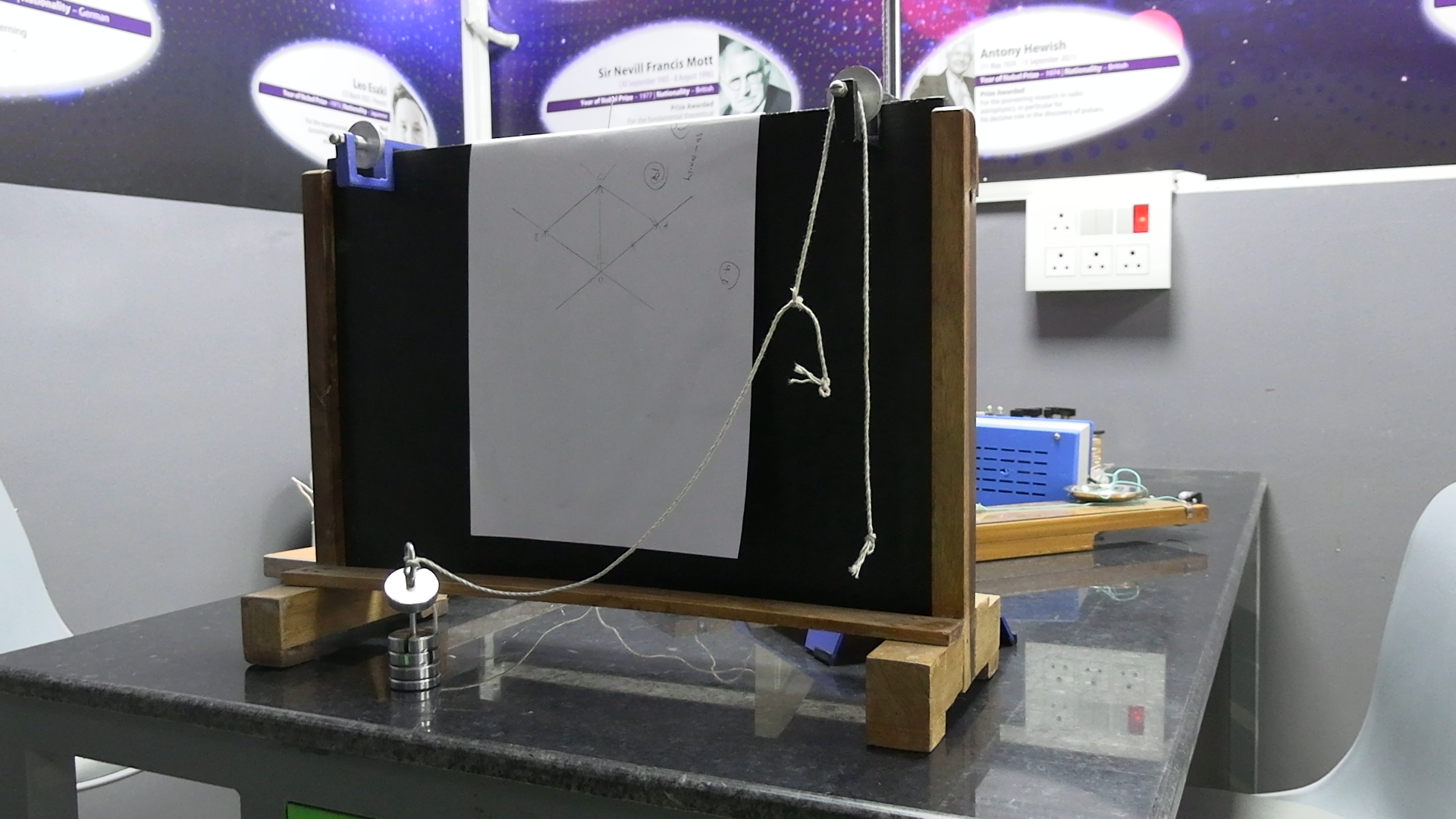
- Mechanics (ME)
- Light (LI)
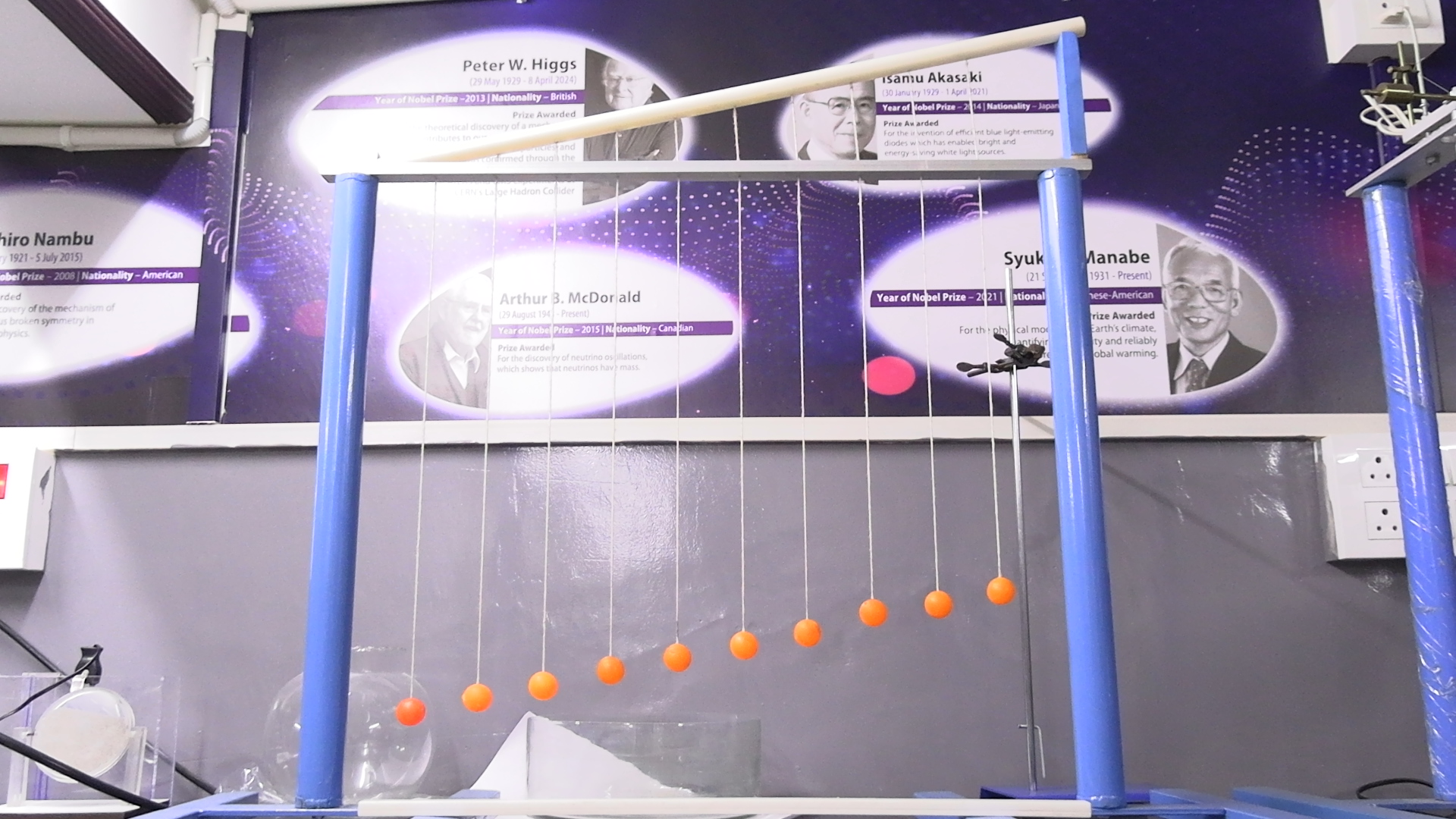
- Oscillations (OS)
- Waves and Optics (WO)
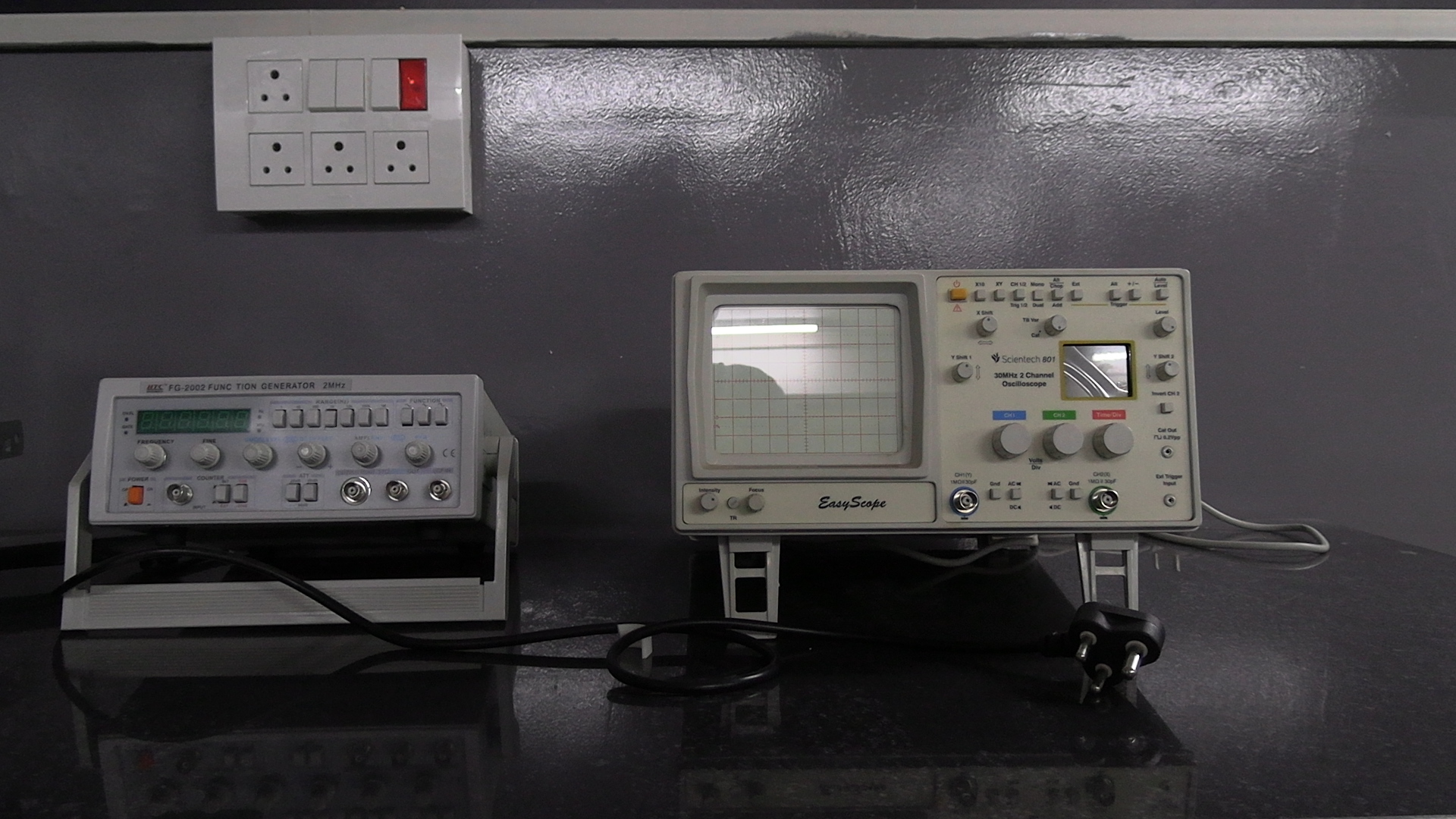
- Electricity and Magnetism (EM)
- Analog Electronics (AE)
- Digital Electronics (DE)
- Electromagnetic Theory (ET)
- Modern Physics (MP)
- Thermal Physics (TP)
- Solid State Physics (SS)
- Nuclear Physics (NP)

Quick Enquiry
Schedule a call with our Admission Counsellor.

Thank You 🎉
Your enquiry has been submitted successfully.
Our team will contact you shortly.
FAQs
How to join Narayana Jaipur?
The Narayana Admission & Scholarship Aptitude Test (N-ASAT) is a scheduled entrance exam conducted for admission to yearlong classroom courses for Foundation (Classes 6 to 10), JEE Main + Advanced, and NEET (for Classes 11, 12, and 12th appeared/passed students) at Narayana Jaipur Centre, along with an opportunity to earn merit-based scholarships.
Students progressing from Class 5 to 6, 6 to 7, 7 to 8, 8 to 9, 9 to 10, 10 to 11, 11 to 12, as well as those who have passed Class 12 in the Science stream, are eligible to appear for N-ASAT, following the prescribed test format and syllabus for their respective academic levels.
The purpose of N-ASAT is to identify and reward meritorious students preparing for NEET, IIT-JEE, and Olympiad exams by offering scholarships of up to 90% based on their performance. These scholarships can be availed for admission to Narayana Jaipur’s specialized coaching programs.
Exam Pattern for Classes 5 (Moving to 6), 6 (Moving to 7), 7 (Moving to 8), 8 (Moving to 9), and 9 (Moving to 10):
Total Questions: 75 Multiple Choice Questions with a single correct answer.
Subjects & Distribution:
Reasoning Ability – 25 questions
Physics – 10 questions
Chemistry – 10 questions
Biology – 10 questions
Mathematics – 20 questions
Maximum Marks: 300
- Marking Scheme: +4 marks for each correct answer, -1 mark for each incorrect answer.
Exam Pattern for Classes 10 (Moving to 11) and 11 (Moving to 12):
Total Questions: 75 (Multiple Choice Questions with Single Correct Answer)
Sections & Question Distribution:
Reasoning Ability: 25 questions
Physics: 15 questions
Chemistry: 15 questions
Biology or Mathematics: 20 questions (based on student’s stream)
Maximum Marks: 300
Marking Scheme:
+4 marks for each correct answer
-1 mark for each incorrect answer
- The registration fee for N-ASAT is ₹300. If you are registering online, payment can be made conveniently through Card or UPI. For in-person registration at a Narayana Centre, payment can be made via Card, Cash, or UPI, depending on your preference.
- N-ASAT is conducted in offline mode at designated Narayana test centres. Students are required to appear at their assigned centre on the scheduled date to take the test in person.
Test Centre: Narayana Jaipur Centre
Admit Card: You can download your admit card by logging into your account at ntsc.narayanatalent.com
The result of N-ASAT (Qualified / Disqualified / Scholarship) will be declared within 2 days of the exam.
You can check your result by logging into ntsc.narayanatalent.com or by visiting the Narayana Jaipur Centre.
Students will also be informed about their result via SMS or WhatsApp on their registered mobile number.
